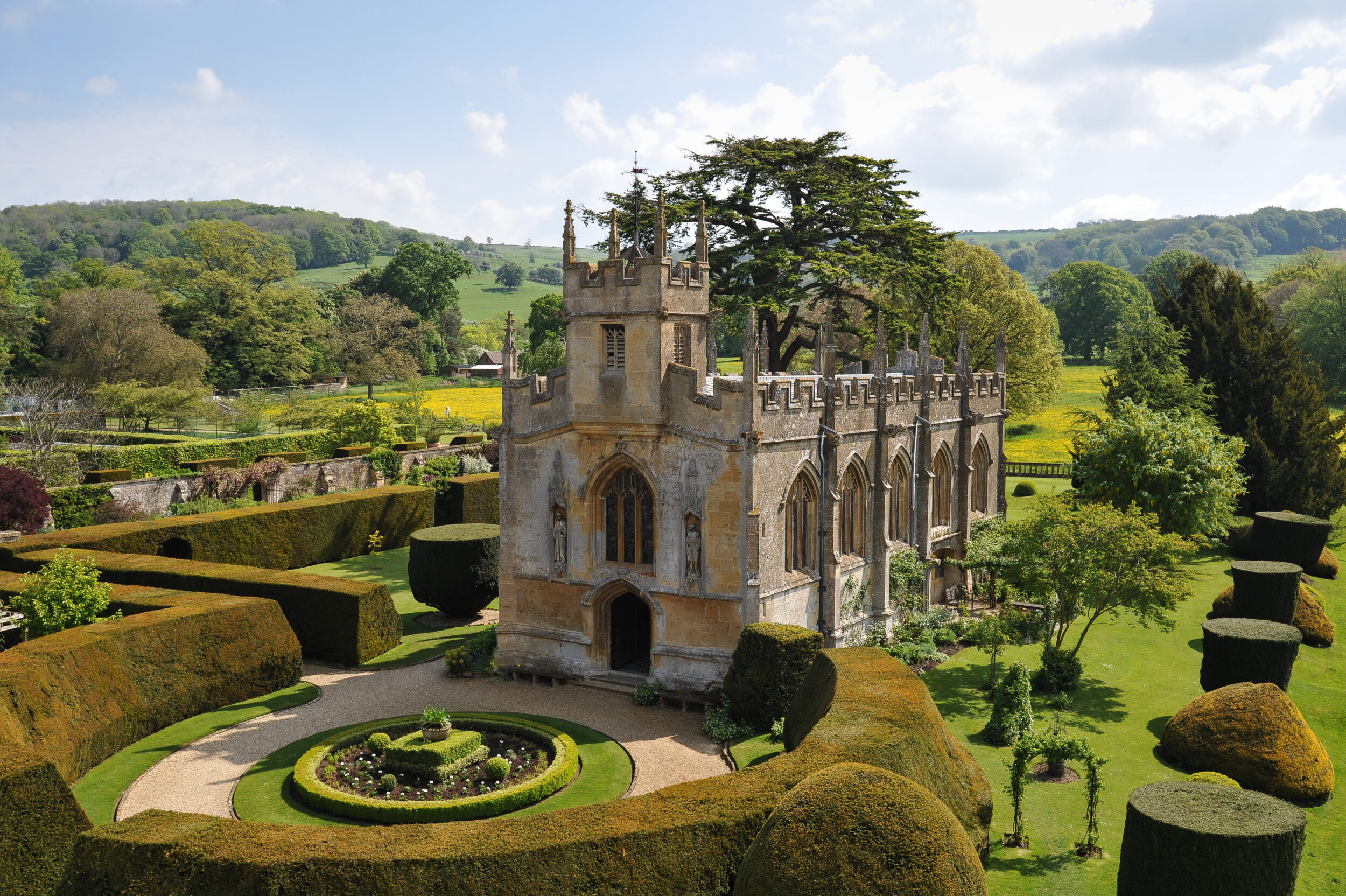
Keeping the atmospheric conditions right for Katherine Parr’s final resting place in the Chapel at Sudeley requires bending to the seasons and nature’s forces, as conservator Dominic Rose-Price explains.
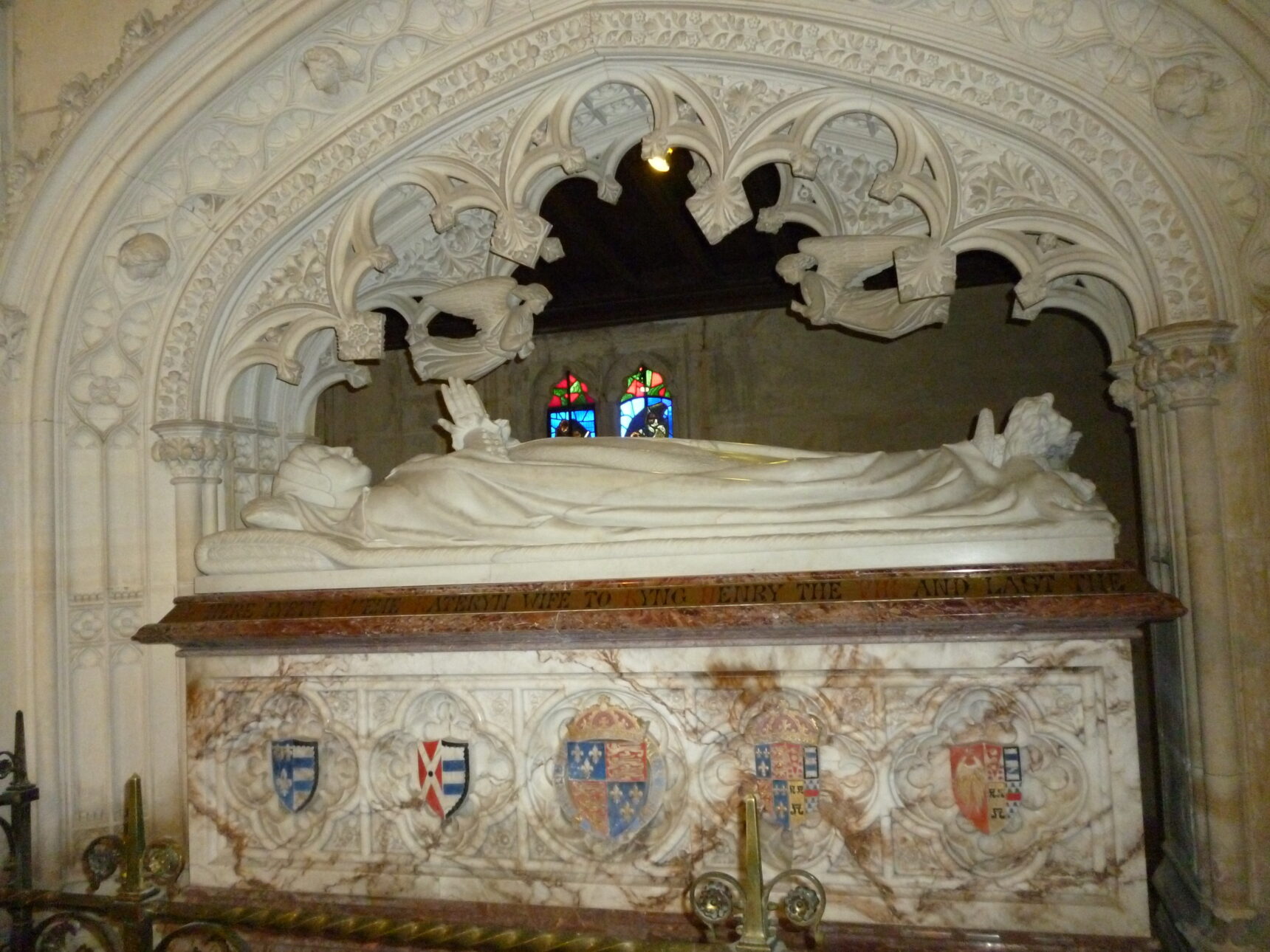
For many who think of Sudeley, a certain sovereign springs to mind. With her splendid tomb in the church of St Mary’s within the castle grounds, the Tudor queen and one-time regent Katherine Parr (1512–1548) remains the sole British monarch to be interred on private land.
During the English Civil War (1642–1651), on Parliamentarian orders, the castle and church were brutally ‘slighted’ (systematically destroyed). Needless to say, the soon-to-be Lord Protector was irked by Sudeley’s many royal connections and the castle walls paid the price for being on the losing side.
The plight of Sudeley during the following two centuries is the subject of a permanent outdoor exhibition, Ruins to Revival, which focuses on the castle in its slighted state, including the chance finding in 1782 of Katherine Parr’s desecrated original tomb.
In 1837, Sudeley came into the possession of John and William Dent, prodigiously wealthy glove-makers from Worcester. The brothers had the means and inclination to inspire the revival of Sudeley. Both childless, their vision was continued by their nephew, John Coucher Dent, and his wife, Emma (née Brocklehurst), who enriched the castle collections whilst persisting with its restoration. Arguably, their crowning achievement was the commissioning of a new tomb worthy of a queen.
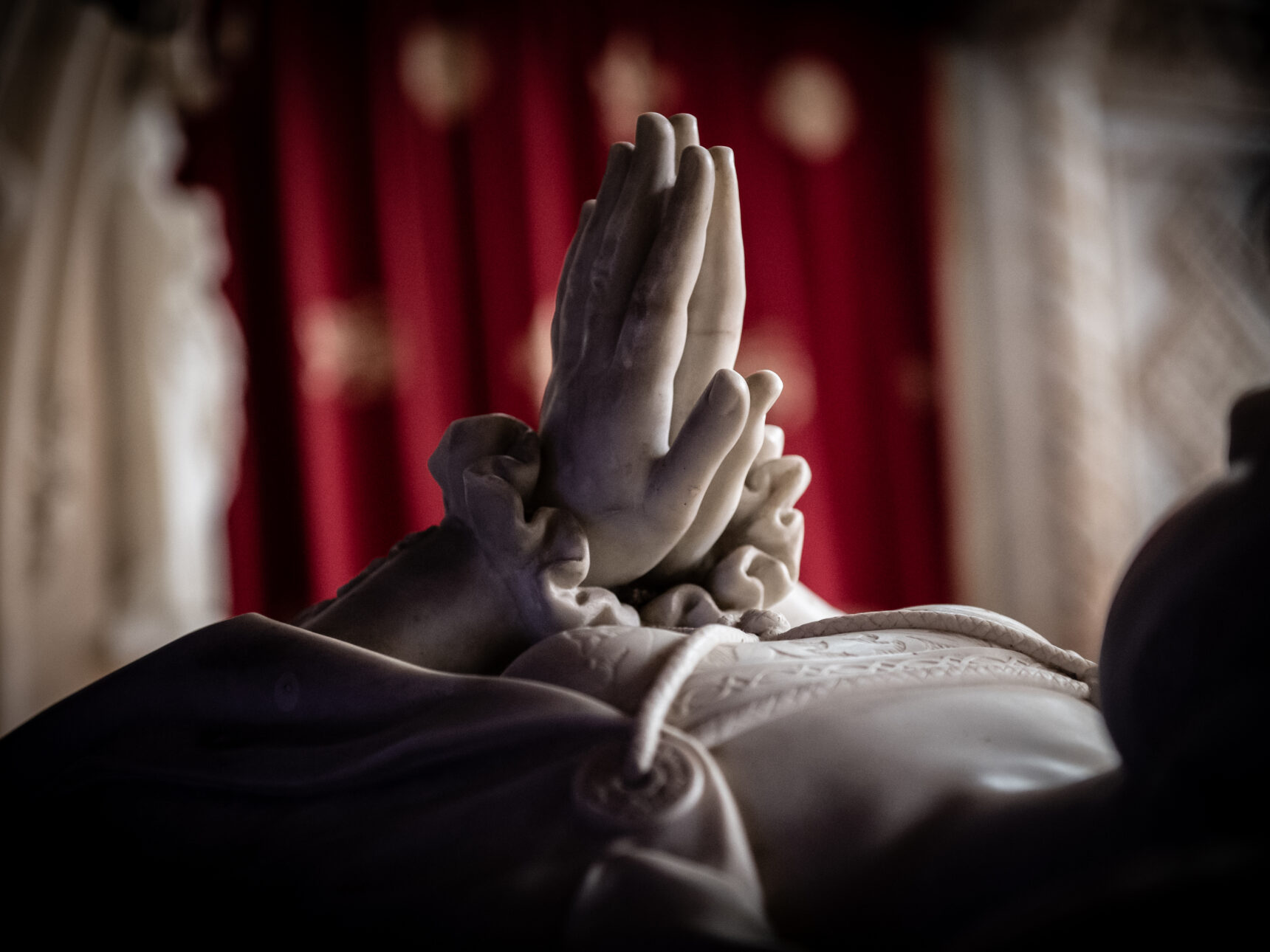
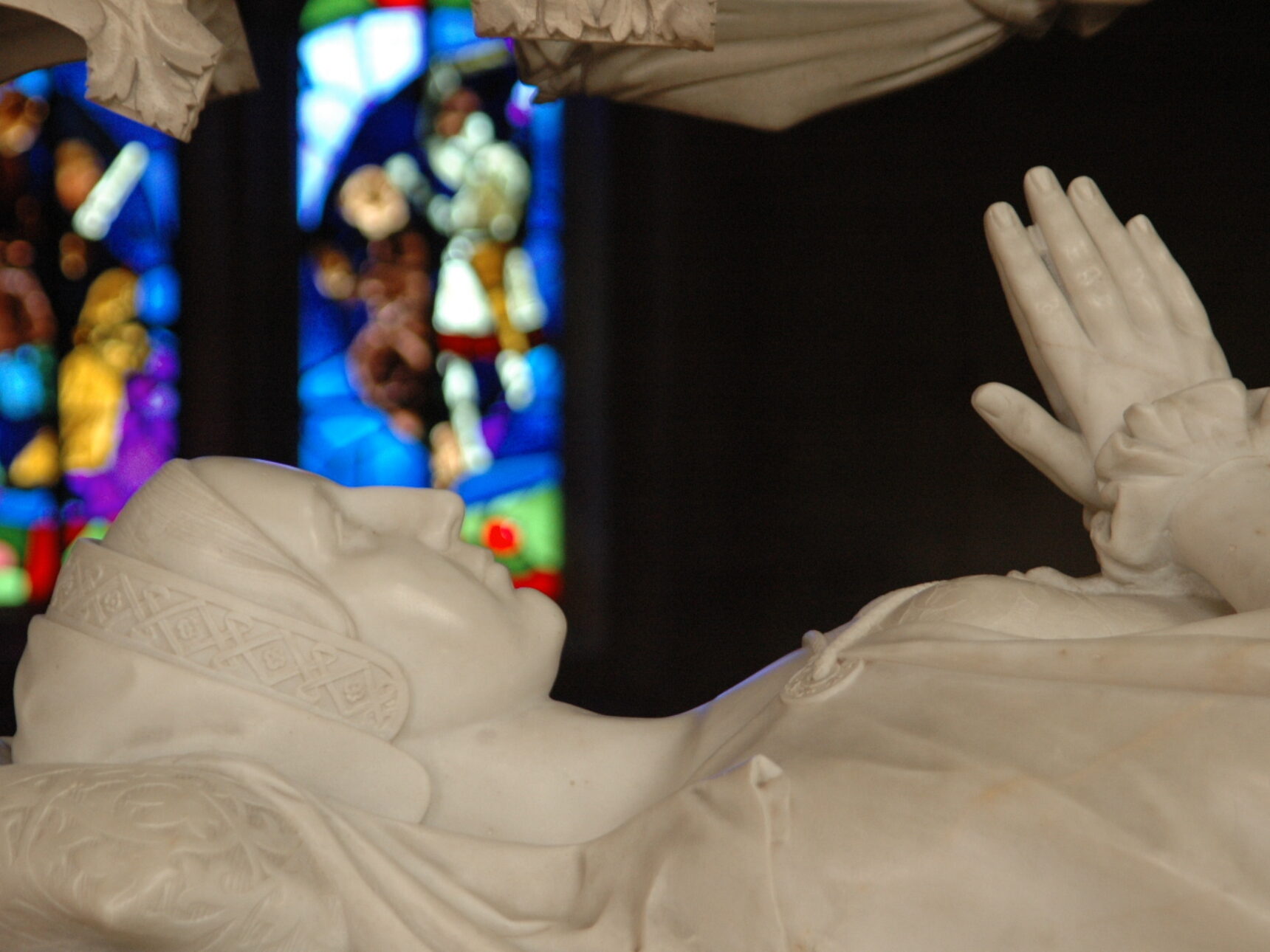
The pre-eminent Gothic Revivalist George Gilbert Scott (1811–1878), who had revamped Sudeley’s church, designed the exquisite tomb; a stunning piece of sculpted stone depicting Katherine Parr lying on top of sculpted marble. Therein lies a significant element of the tomb’s ongoing conservation concerns: the difference in weight between the stone figure and its marble base.
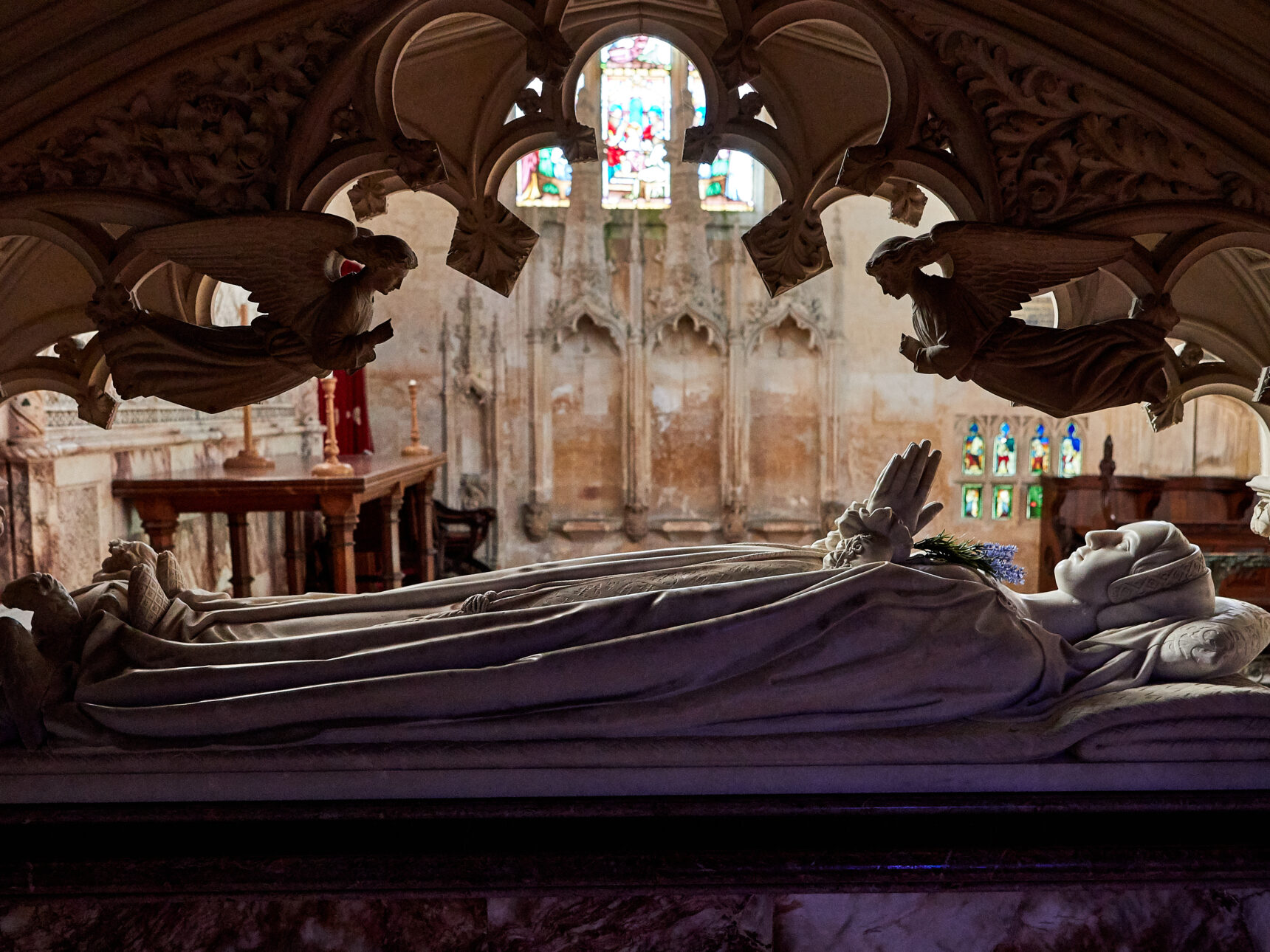
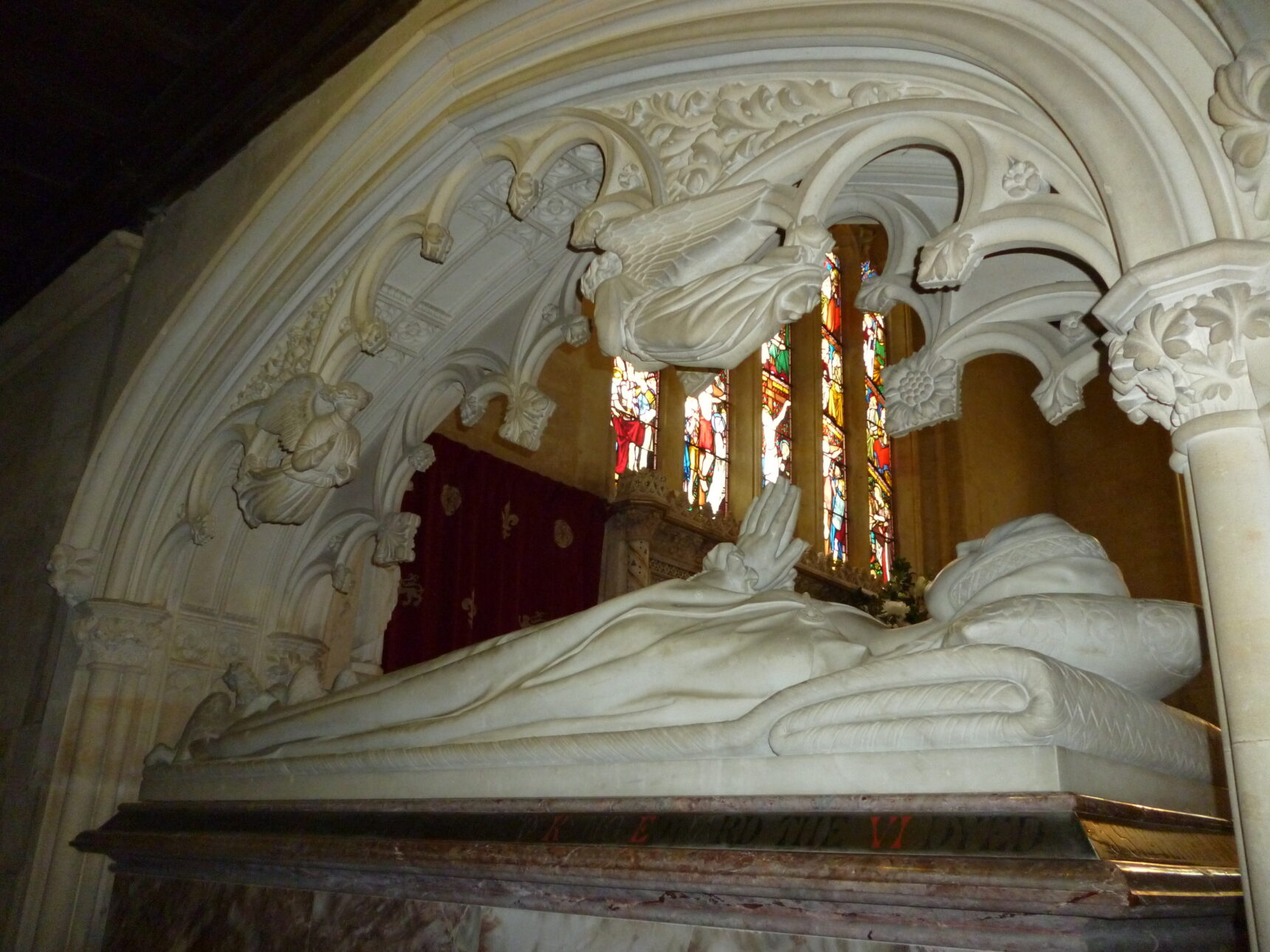
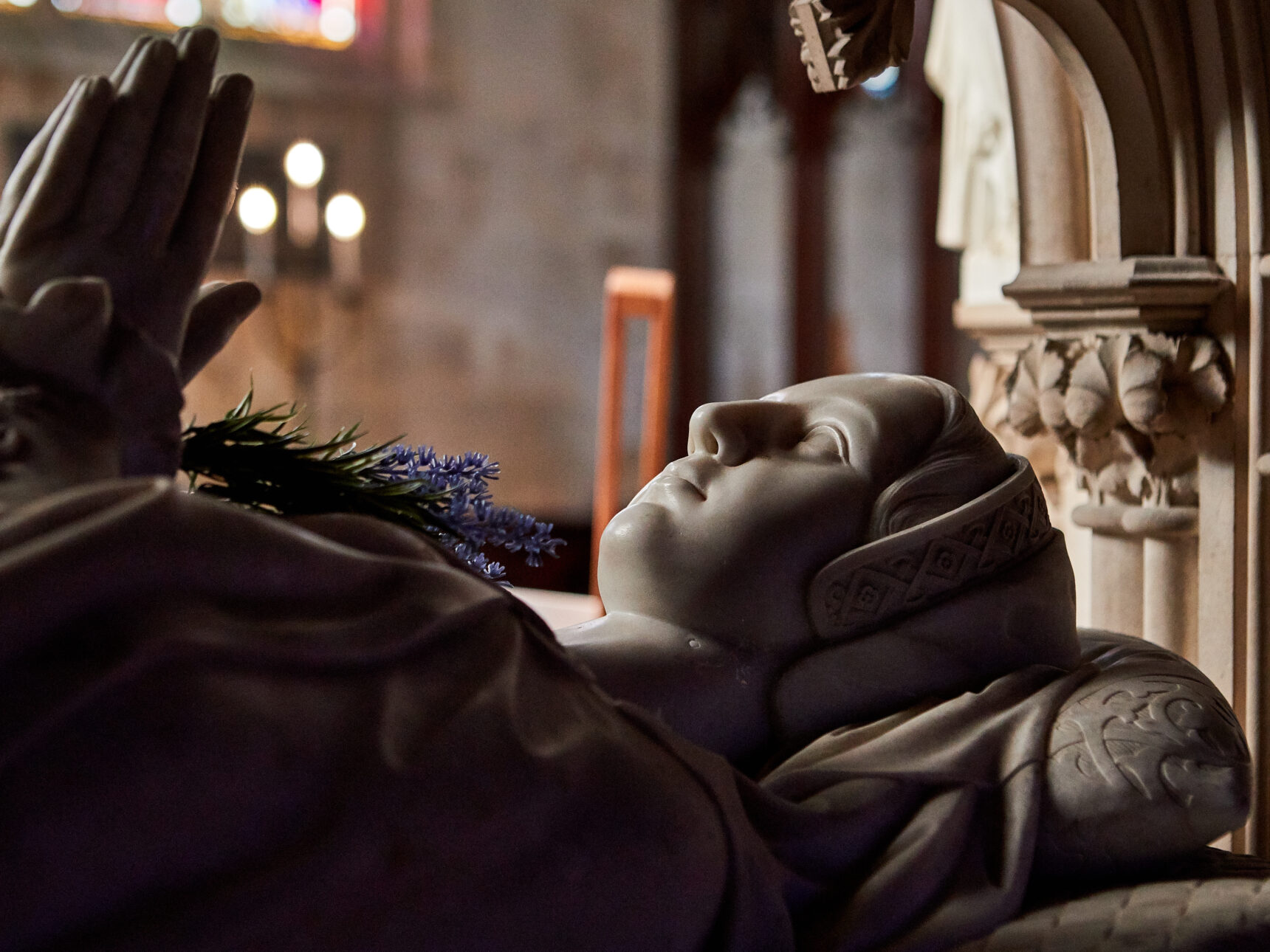
Temperature and humidity are other concerning factors, ubiquitous to Sudeley and historic buildings generally. Escalating fluctuations in both, exacerbated by climate change, are inevitably problematic. Even rain-sodden clothes or umbrellas can add to the increased moisture.
Throughout the spring and summer, and into the autumn, with visitors aplenty, the church doors are open daily, regulating temperature and air circulation. During Sudeley’s closed season, however, from November through to March, with the church doors open for just half an hour each morning and afternoon, radiators and dehumidifiers come into their own.
Contrary perhaps to popular assumption, throughout the winter – unless an event is in the diary – it is advised not to switch the heaters on in the church at night. To do so would run the risk of increased condensation forming, particularly around the precious stained-glass windows, due to the disparity in internal and external temperatures.
By contrast, from November to March the dehumidifiers are constantly at work. Throughout the winter, they are positioned around the tomb itself, for better preservation of the marble, which can be prone to flaking. It might be more convenient for larger units to be installed, with pipes allowing for the water collected to run into external drains. But that is not possible (or sightly) in a Grade I-listed church, resulting in staff, myself included, emptying the stand-alone dehumidifiers as necessary.
It is a privilege to be a part of the ongoing preservation of the tomb of Queen Katherine Parr, an architectural treasure and a site of national importance marking her final resting place here at Sudeley Castle.
Explore more
There is always something going on at Sudeley…