We talk to Derek Maddock to discover what it’s really like to be the custodian of Sudeley’s historical records, and some of the more surprising elements involved in delving into the Castle’s rich past.
How long have you worked at Sudeley?
I started at Sudeley as a volunteer in 2014, after retiring from 38 years in teaching. Having been Head of History at Cheltenham College Prep School, I wanted something to keep my mind active and to continue my love of history. The previous archivist, Jean Bray, had just retired after many happy years at Sudeley, and I was delighted to be offered the position as her replacement.
Describe your role briefly.
I was tasked with digitising the Sudeley archives, scanning and recording the wealth of documentation and artefacts collected over many years. It was also clear that resources held on DVDs, VHS tapes, Super 8 films and so on were already becoming inaccessible as technology moved on.
I encourage Sudeley’s guides and volunteers to come to me with any unusual queries or questions they may be asked by members of the public. We have an open-door policy (so long as my cannonball doorstop doesn’t get moved!), and I’m happy for members of staff to give my email address to visitors, and I’ll get in touch with them personally.
Why is it so important to preserve the Castle’s archives?
By looking at primary sources such as archives, we’re provided with a way to understand the present, helping us learn and grow. Without access to primary sources such as archival documents, we’re left with other people’s interpretations of the past. How genuine are these interpretations? Be prepared to look, to question, to think – then make up your own mind.
The aim of digitising the records was to make this information more readily available to Lady Ashcombe and her family, our guides and volunteers, researchers and others interested in the Castle’s rich history, such as TV production teams and podcasters.
I have been involved with The Tudor Dynasty podcast, filming for TV programmes such as The Cotswolds with Pam Ayres, Short Walks with Julia Bradbury and Susan Calman’s Grand Day Out in Jilly Cooper Country, as well as films used within Sudeley. These activities have helped raise Sudeley’s profile as a key visitor attraction in the Cotswolds.
-
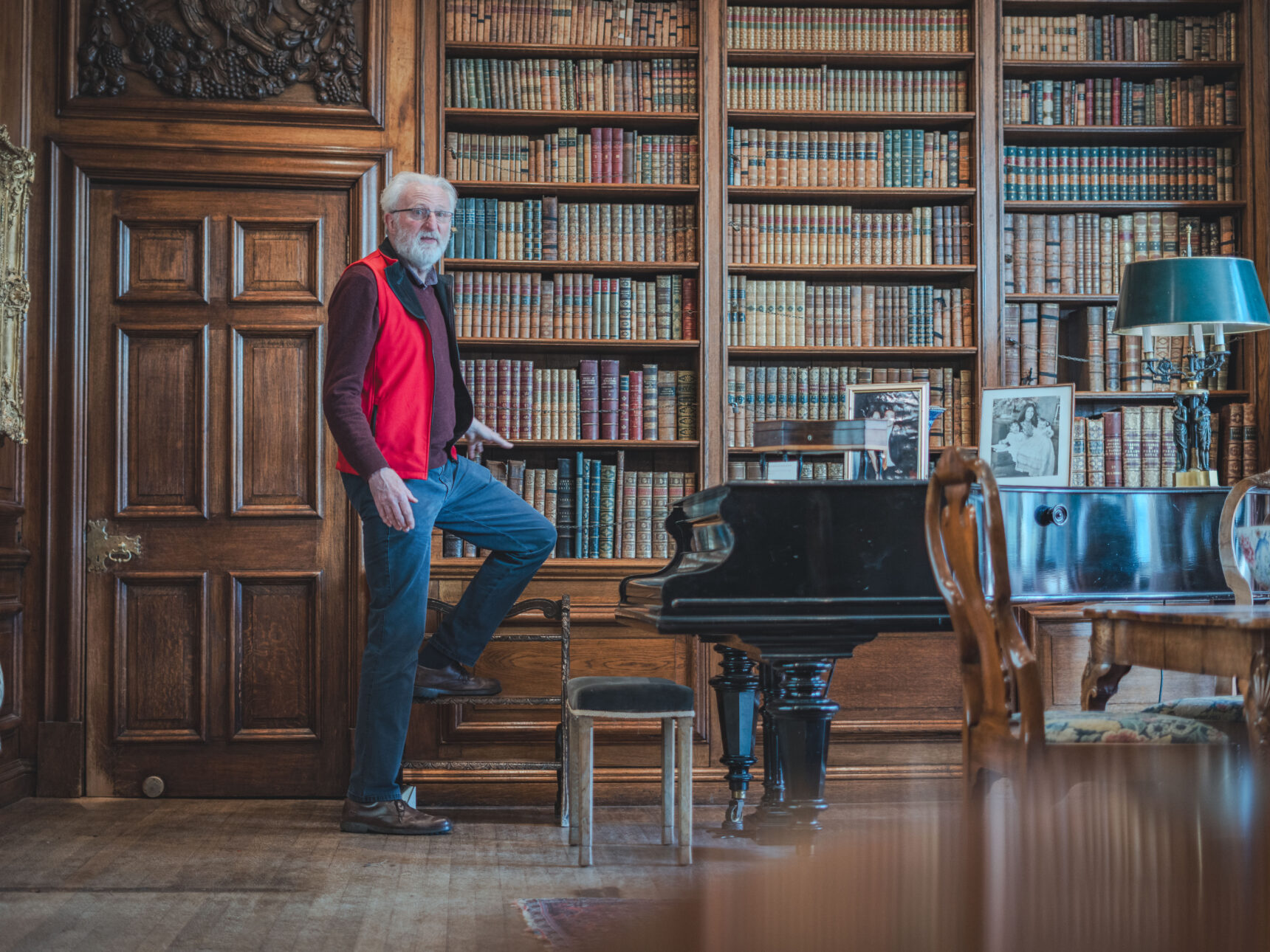
Archivist Derek Maddock in Sudeley's Library -
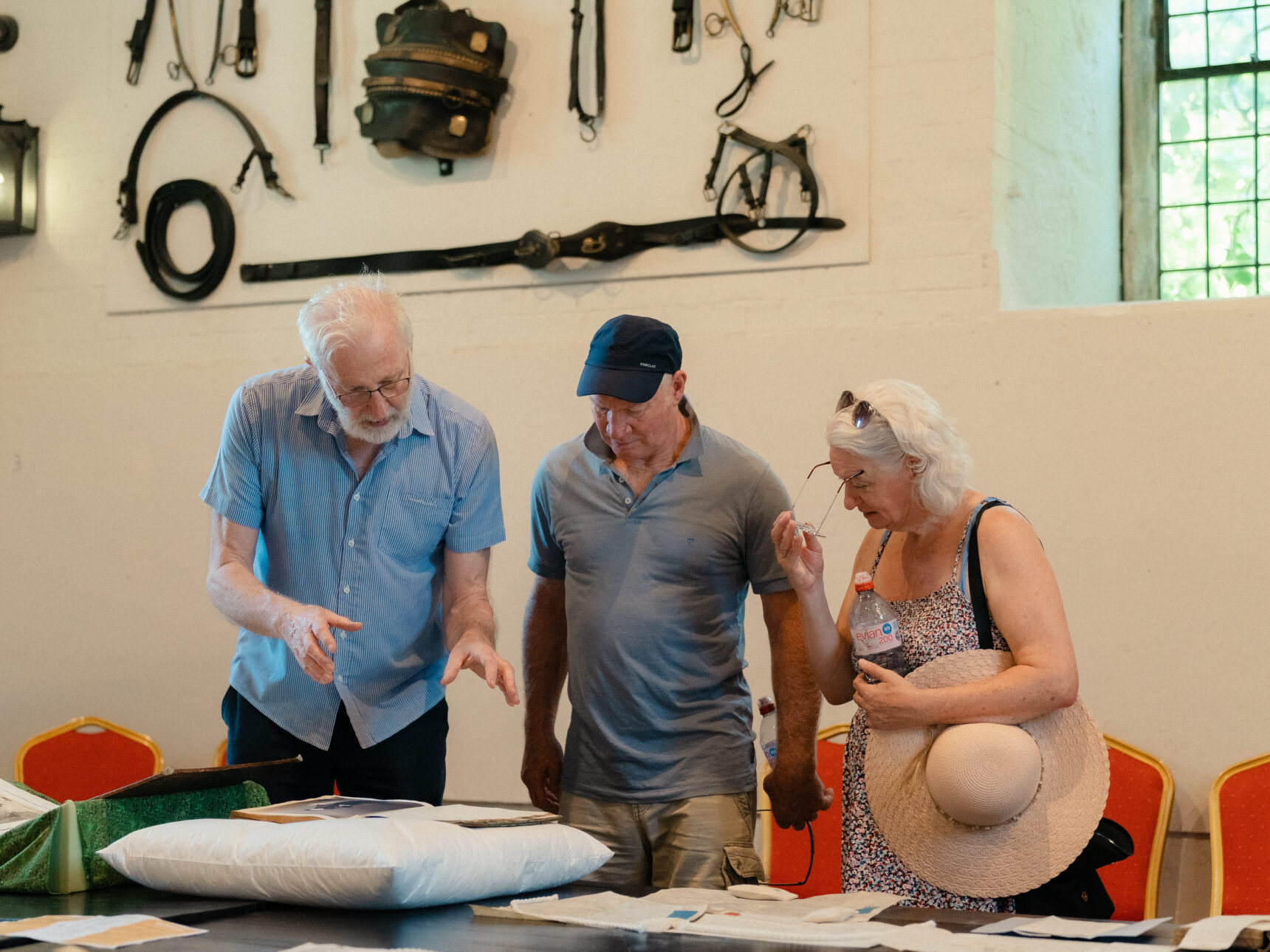
Visitors with Derek for 'Meet the Archivist' at Sudeley's History Weekend in June 2026 | Photo courtesy of Pedge Olamaee -
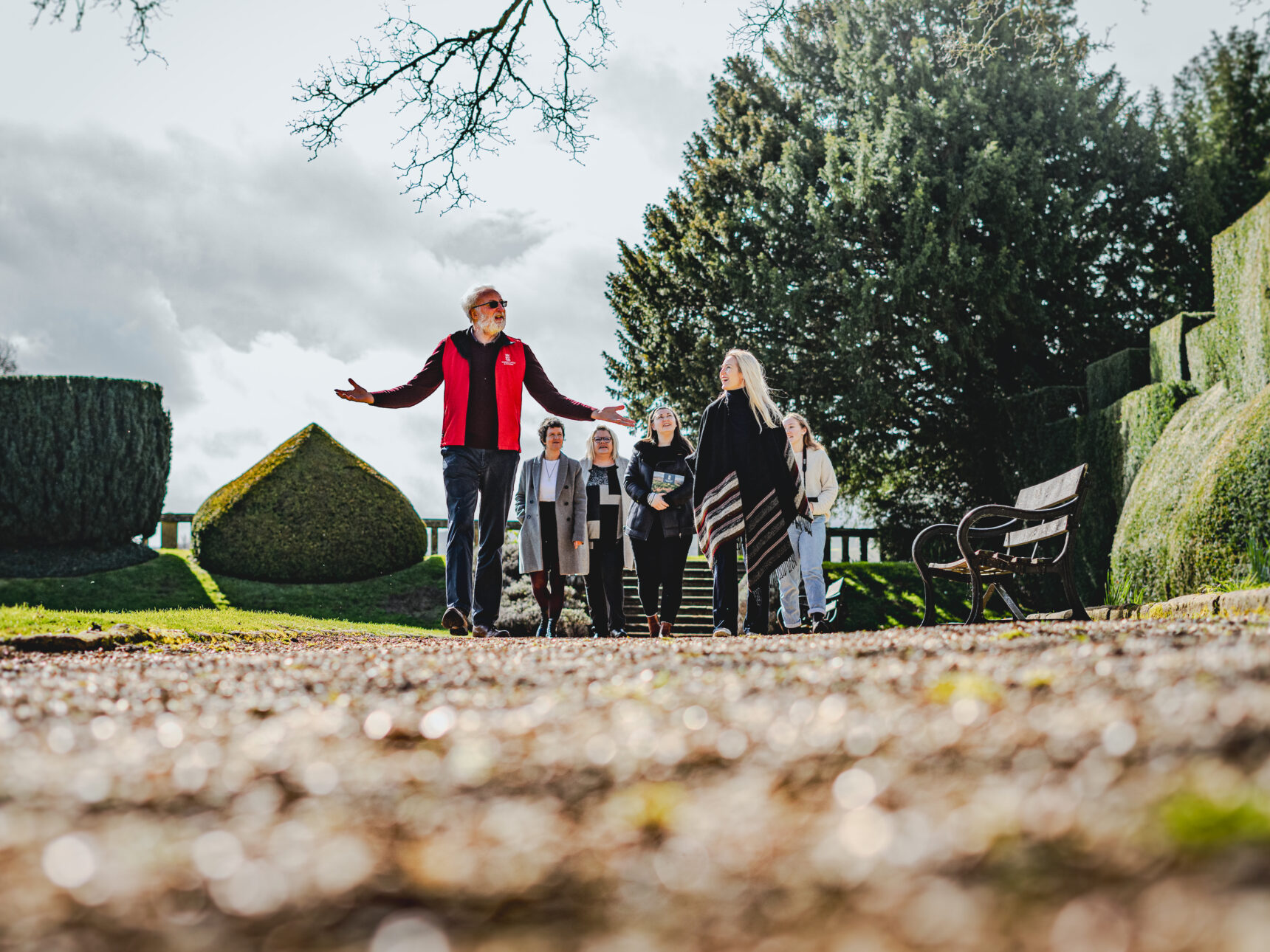
Derek is passionate about sharing Sudeley's stories -
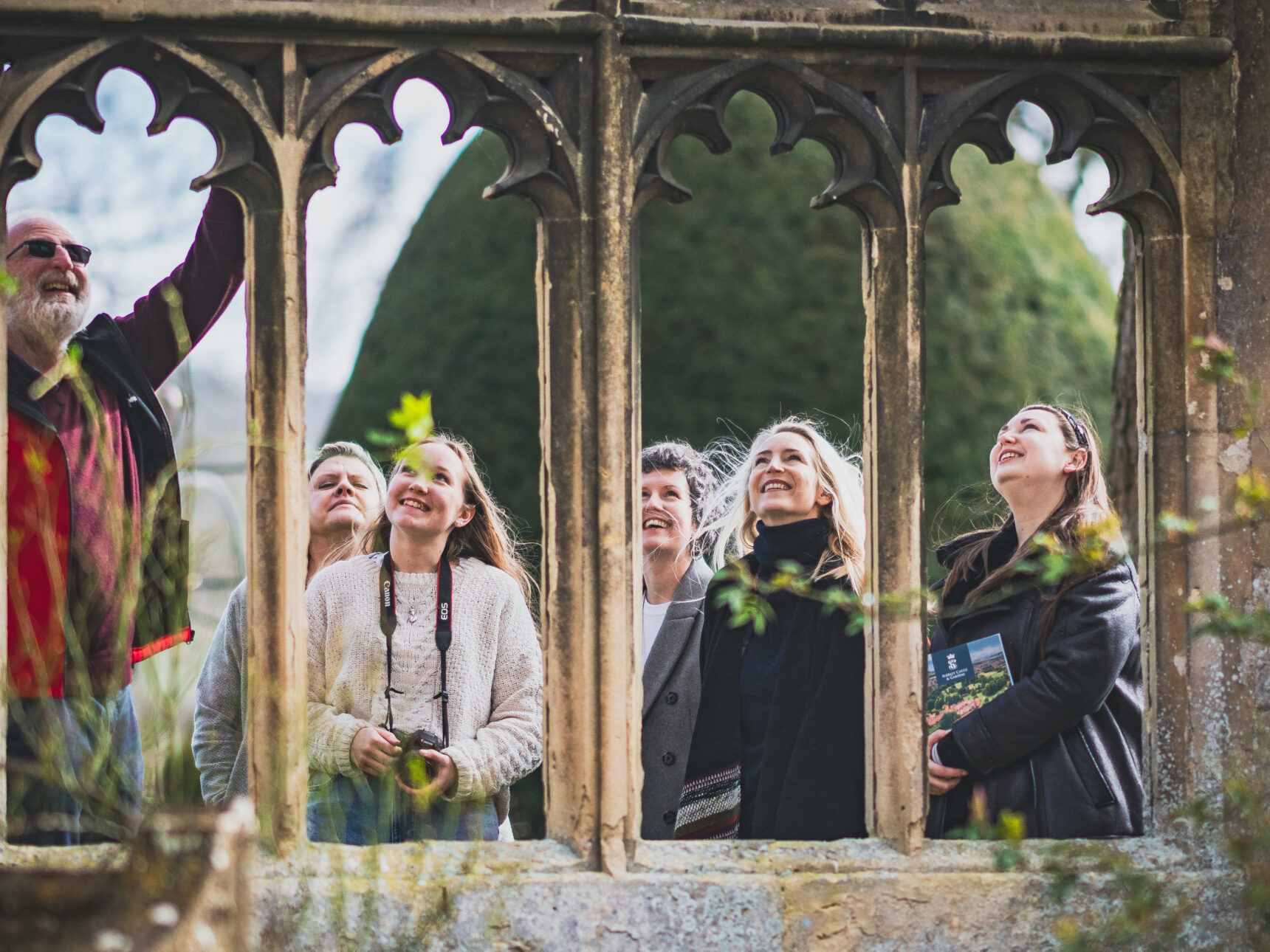
There are interesting discoveries around every corner at Sudeley
How does your role connect with other history and heritage organisations?
I am a member of the Historic Houses Archivists’ Group (set up 40 years ago) and served as membership secretary for five years. The training provided and links established with other historic houses, such as Harewood in Yorkshire and Fonthill in Wiltshire, have been invaluable, as has a more recent link with the National Trust’s Basildon Park in Berkshire.
In my time at Sudeley, links have been developed with local history groups and the Winchcombe Museum. In connection with our textile specialist, Bev Johnson, we have also hosted visits from special interest groups such as the Royal School of Needlework, the Embroiderers’ Guild and the Furniture History Society.
What else do you do to make the archives accessible or interactive?
This year alone, I have had a PhD researcher, Jane Harrison of the Royal Grammar School, Worcester, working in the archives, as well as research questions from other PhD students in the US and Masters and Undergraduate-level students from both the UK and overseas. I have also hosted work experience students and family researchers from here and abroad.
Sudeley’s inaugural History Weekend in June 2026 had ‘Meet the Archivist’ sessions, where visitors were welcomed to investigate a variety of books and documents laid out for them to look at, discuss and question. On one of the days, I had approximately five minutes in the morning and five minutes in the afternoon when no one came in – otherwise, we were packed out. I had a lovely time!
What has been your most fascinating discovery so far?
I would struggle to give just one item. The first that made a huge impression was in connection with the Tate Gallery. In the Second World War, much of the Tate’s collection was moved out of London and stored at Sudeley.
Four warders and their families lived at Sudeley, and I was approached by the granddaughter of one of these families. A meeting was arranged and I had a series of documents to show her. As I passed the documents into her hands, she burst into tears. The top document had her grandfather’s handwriting and signature on it, which she had never seen before!
On a later occasion, I met an old gentleman, his wife and daughters. It was clear that he was struggling with Alzheimer’s. He had recently told his family that he had worked at Sudeley, so they planned a visit. After their visit, I arranged to interview him at his house, and he proceeded to talk for 90 minutes about his time at Sudeley, yet he could not remember ordinary things like his wife’s name. She was in tears; his daughters were in tears – as was I!
What are some of the more unusual aspects of working in a castle with a 1,000-year history?
You’re never quite sure what you are going to find out! In the English Civil War, documentation from the archives showed that the Castle had been slighted (made uninhabitable) due to its support for the Royalists in what was, in effect, a Parliamentary county.
We invited dendrochronologist Dr Andy Moir and members of the Gloucestershire Building Recording Group to look at the timbers within the Castle, as it was wondered whether Sudeley had any remaining Tudor beams. A simple visual survey was enough to raise questions in their minds, so a full survey was conducted, funded by the Castle Studies Trust. They proved that the roof timbers in two of the ranges had not been destroyed as documents indicated, but the timbers in fact dated from the middle of Elizabeth I’s reign, nearly a century earlier.
Local stonemasons and carpenters had all, independently, given the same story of the Castle’s systematic destruction, and two judges from Gloucester had signed this off, stating that this was a true statement. Why? Had money changed hands? Were they able to put in tenant farmers and earn money as a result? An intriguing story that has effectively changed part of the history of Sudeley.
If you could only share one story from the archives, what would it be?
In the Second World War, a prisoner-of-war camp was built on what is today the Visitor Centre car park. Italian soldiers were the first inmates to be housed there, and it was not too long before an armistice was signed with Italy and many of the Italians were allowed to work off-site.
We have a display on this history in the exhibitions area and I have met a number of descendants of these PoWs and been able to give them information about their grandfather’s time in Winchcombe and arrange visits for their family. It is at these times that history really does come alive.
What do you like most about working in heritage?
I have a natural interest in history, having taught the subject for many years, and through working in the archives at Sudeley, I have been able to carry on discovering something new for myself and, hopefully, instilling an interest and ability to question in others, irrespective of their age.
I love working in (as my grandchildren would say) grandpa’s castle!
Explore more
There is always something going on at Sudeley…